
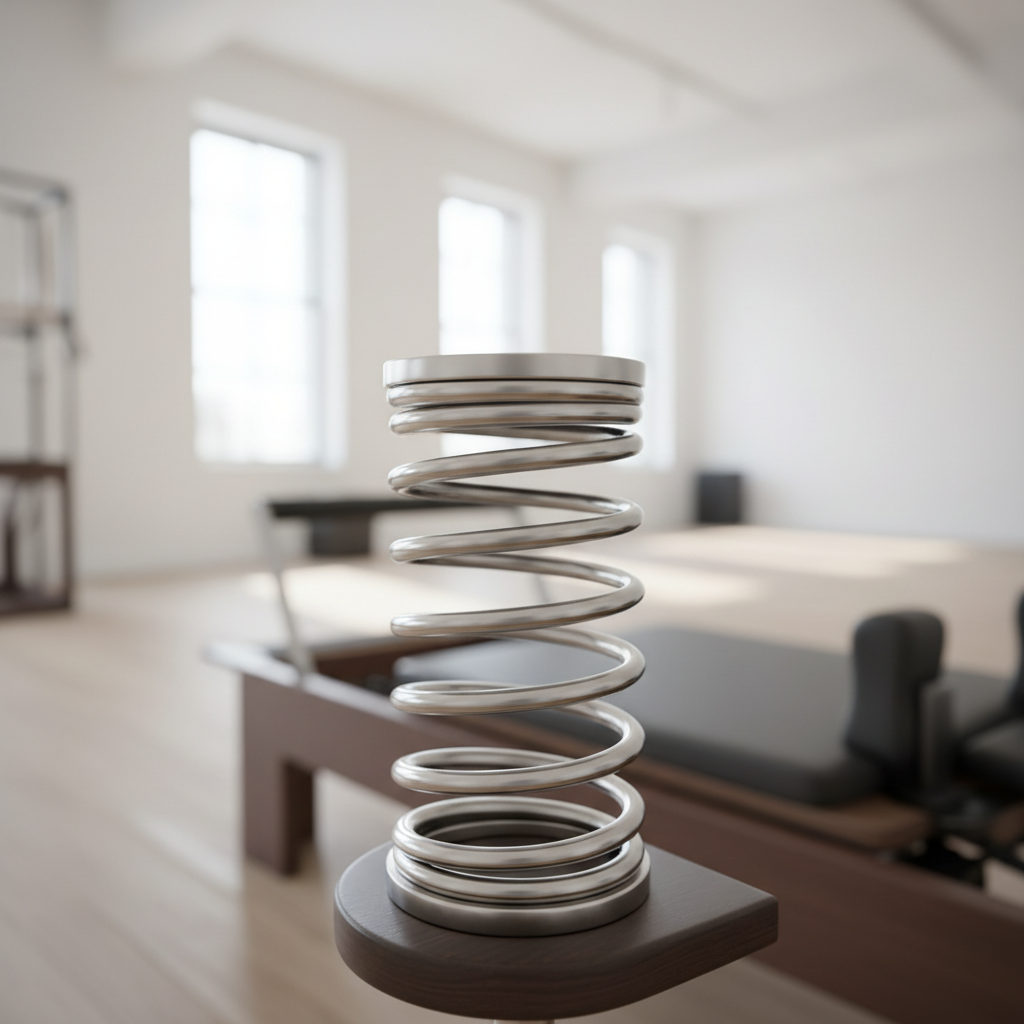
That subtle, high pitched squeak. A faint reddish brown coating on a once gleaming spring. These are the early warning signs that every Pilates studio owner dreads. Rusted reformer springs are not just an aesthetic issue. They are a red flag for equipment degradation, a potential safety concern, and a silent critique of your studio’s maintenance protocol. For discerning clients in places like Manhattan and Brooklyn, where excellence is the standard, the condition of your equipment speaks volumes about your brand. Rust suggests neglect, and it can quickly corrode a client’s confidence.
But what causes this unwelcome oxidation, and more importantly, how can you stop it? The answer lies in understanding the unique environment of a fitness studio and implementing a consistent, expert-level maintenance routine. It’s not just about wiping things down. It’s about fighting an invisible battle against humidity, sweat, and chemical residues.
The Anatomy of Rust: Why Metal Springs Corrode
At its core, rust is the result of a simple chemical reaction called oxidation. When iron or steel, the primary material of your reformer springs, is exposed to oxygen and moisture, a chemical process begins that converts the metal into iron oxide, which we know as rust. This new substance is flaky, weak, and compromises the structural integrity of the spring. A rusted spring loses its precise tension, recoils improperly, and is more prone to snapping. For a Pilates studio, this is a risk you cannot afford.
The Main Culprits Behind Rusted Reformer Springs
Your studio, bustling with energy, is unfortunately a perfect incubator for rust. Several factors combine to create an environment where corrosion can thrive, particularly within the five boroughs and Long Island, where seasonal humidity is a significant challenge.
The Pervasive Problem: Humidity
New York City is no stranger to humidity, especially during the sweltering summer months. This atmospheric moisture is the primary catalyst for rust. Inside your studio, the problem is magnified. A room full of clients breathing, moving, and sweating raises the ambient humidity dramatically. Without proper ventilation or climate control, this moisture-laden air settles on every surface, including the intricate coils of your reformer springs, providing the perfect ingredient for oxidation to begin.
Sweat’s Corrosive Cocktail
Sweat is not just water. It’s a complex mixture of water, salts (like sodium chloride), and acids. When this salty, acidic moisture drips or transfers onto metal springs, it acts as an electrolyte, dramatically accelerating the rusting process. A single drop of sweat left to sit on a spring is far more damaging than a drop of plain water. It actively attacks the metal’s surface, initiating corrosion that can be difficult to reverse.
Hidden Damage from Cleaning Products and Residue
Your commitment to cleanliness could, ironically, be contributing to the problem. Many common cleaners, especially those not specifically designed for fitness equipment, leave behind chemical residues. Some of these residues are hygroscopic, meaning they attract and trap moisture from the air, holding it against the metal. Others can be inherently corrosive. Similarly, lotions, oils, and sunscreens from clients' skin can transfer to the equipment, creating a sticky film that traps moisture and dirt, creating a perfect rust-promoting poultice on your springs.
Your Proactive Maintenance Plan to Prevent Rust
Preventing rust requires a multi-faceted approach. It’s about controlling your environment, creating rigorous cleaning protocols, and using the right products. Consistency is the key to protecting your investment.
Step 1: Master Your Studio’s Climate
The first line of defense is to manage your studio’s humidity levels. If you can keep the air drier, you remove one of the essential components for rust.
- Invest in Dehumidifiers: Commercial grade dehumidifiers can be strategically placed throughout your studio to pull excess moisture from the air. Aim to keep your studio’s relative humidity below 50 percent.
- Prioritize Ventilation: A robust HVAC system is non negotiable. Ensure it is serviced regularly and the filters are clean. On less humid days, and when your location in Queens or Long Island allows, circulating fresh air by opening windows between classes can help vent the humid, sweat filled air.
Step 2: Implement a Rigorous Wipe Down Protocol
Every class, every time. There is no substitute for a thorough and immediate wipe down after each session.
- Go Beyond the Vinyl: Staff and clients should be trained to wipe down not just the carriage, but all accessible parts of the reformer. This includes the frame, rails, and the area around the spring attachments.
- Use the Right Tools: Provide high quality microfiber cloths. Their unique structure is more effective at trapping and removing sweat, oils, and moisture compared to simple paper towels or cotton rags.
- Dry, Dry, Dry: The final step of any wipe down should be ensuring the surface is completely dry. A second, dry microfiber cloth can be used to buff away any remaining moisture.
Step 3: The Deep Clean: Weekly and Monthly Tasks
Surface wiping is not enough. A dedicated deep cleaning schedule is crucial for the long term health of your reformers.
- Inspect Springs Weekly: Assign a team member to perform a detailed visual inspection of every spring each week. Look for the earliest signs of discoloration or oxidation.
- Clean the Springs: Using a dry, stiff nylon brush (never a wire brush, which can scratch the coating), gently scrub the springs to remove any dust or debris. Afterwards, you can wipe them with a microfiber cloth lightly dampened with an equipment safe, pH neutral cleaner. The most important step is to immediately and thoroughly dry each spring with a clean, dry cloth.
- Check All Hardware: Don’t forget the footbar, clasps, and tracks. These metal components are also susceptible to rust and require regular attention.
Step 4: Choose Your Cleaning Products Wisely
The products you use matter. Always consult your reformer manufacturer’s guidelines for approved cleaning agents.
- Avoid Harsh Chemicals: Never use bleach, ammonia based cleaners, or other abrasive chemicals on or near the metal components of your reformers. These are highly corrosive.
- Select pH-Neutral Cleaners: Opt for solutions specifically formulated for fitness equipment. These are designed to be effective at cleaning without leaving a damaging residue or harming sensitive materials.
When Professional Expertise Is Required
Implementing a rigorous daily and weekly maintenance plan is a powerful tool. However, the demands of running a busy studio in a competitive market like NYC can make it difficult to maintain the level of deep cleaning needed to truly protect your assets. Residue from months of suboptimal cleaning, or deep seated humidity issues, may require a professional intervention.
This is where partnering with a specialist cleaning service becomes a strategic advantage. A company that understands the specific challenges of a Pilates studio can provide a level of deep cleaning that goes beyond surface appearances. They can help you reset your environment, tackling the root causes of corrosion and ensuring your studio’s cleanliness aligns with the premium experience your clients expect. Protecting your reformers is protecting your revenue, your reputation, and the safety of your community.
Ready for a spotless space?
TidyMole keeps med spas, fitness studios, pilates studios, and day spas across Brooklyn, Manhattan, Queens, and Long Island client-ready every single day. Call or Text Us Today for a fast, no-obligation walkthrough, or request your Free Quote in under a minute.