
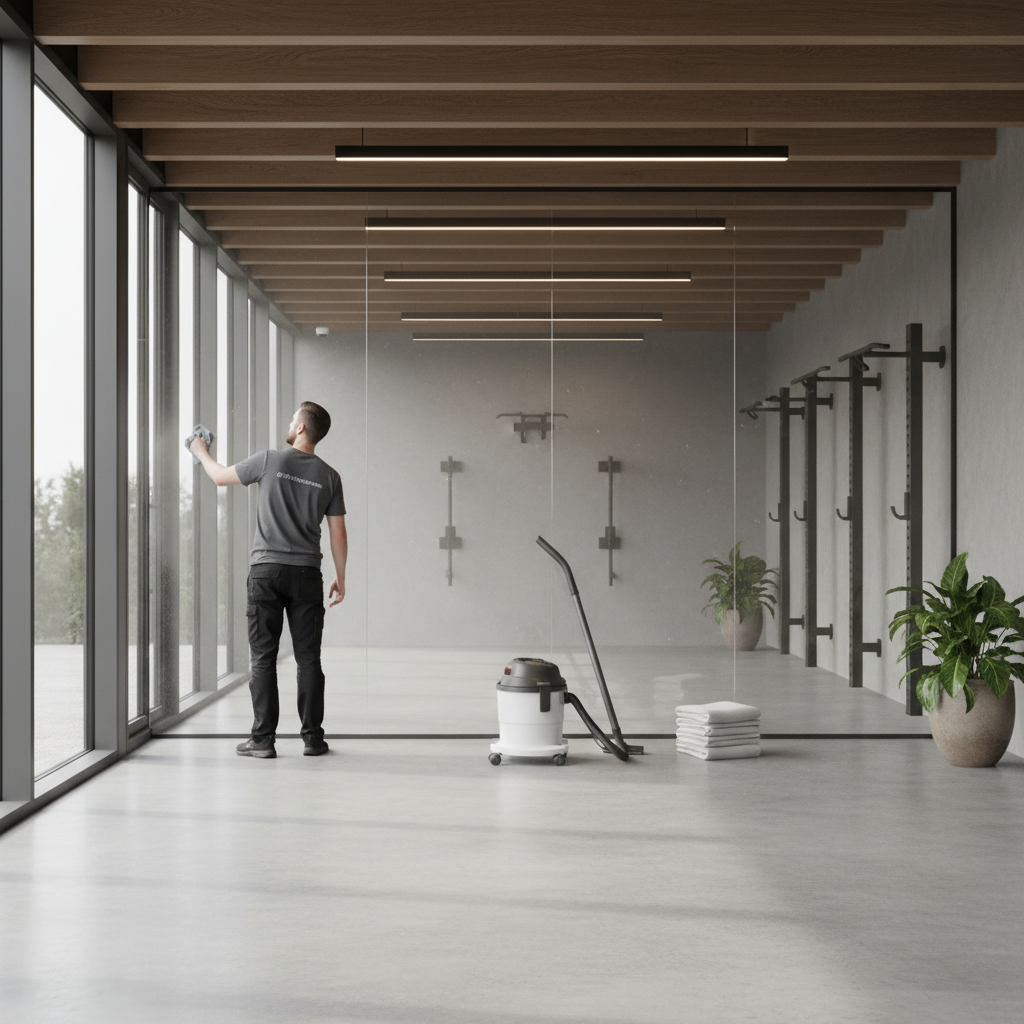
The final coat of paint is dry. The custom millwork is installed. Your dream, whether it’s a serene Pilates studio in Brooklyn or a high-tech med spa in Manhattan, is so close to becoming a reality. The general contractor is packing up, but an invisible menace remains: construction dust. This is not your average dust bunny. It’s a fine, pervasive powder that has settled into every crevice, threatening to undermine the luxury experience you’ve invested so much in. The final 1% of your buildout, the post-construction cleaning, is arguably the most critical for ensuring a flawless grand opening.
The Unseen Enemy: Why Construction Dust is a Unique Challenge
Post-construction dust isn’t just dirt. It’s a gritty cocktail of drywall dust, sawdust, metal filings, silica, and other particulates. This combination is uniquely invasive. It’s incredibly fine, allowing it to float and resettle for days, even weeks. It gets pulled into your brand new HVAC system, lodges itself on top of the highest light fixtures, and creates a layer of haze on your freshly installed mirrors and glass. In a bustling urban environment like New York City, where external dust is already a factor, managing this internal explosion of particulates is a specialized job. Simply sending in a standard cleaning crew is a recipe for failure. They will stir up the dust, not eliminate it, leaving you in a frustrating cycle of endless wiping.
The Three Phases of a True Post-Construction Clean
A professional, effective post-construction clean isn’t a single event. It’s a strategic, multi-phase process designed to systematically remove debris and dust from top to bottom. Demanding a crew that understands and executes this phased approach is non-negotiable.
Phase 1: The Rough Clean
The goal of the rough clean is to clear the battlefield. This happens directly after construction concludes, once all contractors have removed their tools and major equipment. It’s about tackling the most obvious messes so the detailed work can begin. Key tasks include:
- Removal of all large debris, trash, and leftover building materials.
- Scraping and removing any protective plastic sheeting from floors, windows, and fixtures.
- Peeling all stickers, labels, and temporary films from new windows, appliances, and equipment.
- A first-pass sweep and vacuum of all surfaces to remove the thickest, most visible layer of dust and debris.
Phase 2: The Detail Clean
This is the core of the operation. It’s a meticulous, top-to-bottom cleaning of every single surface in your new space. This is what separates a professional commercial cleaning company from the rest. The crew should work methodically, typically starting from the ceiling and working their way down to the floor to avoid re-contaminating cleaned surfaces. An exhaustive scope of work is essential.
- Ceilings, Lights, and Walls: Wiping down all walls, high ledges, and ceiling fixtures. This includes sprinkler heads, speaker grilles, and the housings for recessed lighting. Light fixtures should be cleaned inside and out.
- HVAC System: Cleaning all grilles, vents, and registers where fine dust loves to hide and will otherwise be blown into your studio with the first blast of air conditioning.
- Windows, Mirrors, and Glass: All glass partitions, windows, and mirrors should be cleaned until they are streak-free. This includes scraping any remaining paint or residue, plus thoroughly cleaning the window sills and tracks.
- Millwork and Cabinetry: Every cabinet, shelf, and drawer should be wiped clean inside and out. This is a commonly missed step. Think of your reception desk, custom storage in your treatment rooms, and the lockers in your changing rooms. All surfaces must be dust-free.
- Doors and Frames: Wiping down the entire door, including the tops and all sides of the frame, which are notorious dust magnets.
- Restrooms and Locker Rooms: A full sanitization of toilets, sinks, showers, and counters. All plumbing fixtures should be polished. If you have tile, this is the stage where any "grout haze" should be removed from the tile surface for a sharp, clean look.
- Floors: The final, detailed floor cleaning is the last step. The method must match your flooring material, whether it’s deep cleaning LVT, conditioning rubber gym flooring, or polishing sealed concrete. Special attention is paid to all edges and baseboards.
Phase 3: The Touch-Up Clean
Even after the most thorough detail clean, some dust will inevitably resettle. That’s the nature of fine particulates. The touch-up clean is the final polish before you open your doors. It’s usually scheduled a day or two before your opening day or after the furniture movers have left. It’s a lighter, faster process focused on ensuring perfection. This includes a final vacuum and dust of all horizontal surfaces, polishing smudges from glass and stainless steel, and ensuring the space is pristine for that critical first impression on clients from across Queens, Long Island, and beyond.
What to Demand From Your Post-Construction Cleaning Crew
To protect your investment and ensure your studio is truly ready, you need to be assertive in your requirements for a cleaning partner. Here’s what you should demand.
A Detailed, Itemized Scope of Work
Do not accept vague promises of a "final clean." A professional crew will provide a detailed checklist (like the one above) that specifies exactly what will be cleaned. This document is your primary tool for accountability. It should be part of your contract.
The Right Tools and Supplies
Ask about their equipment. The single most important tool is a high-efficiency particulate air (HEPA) filter vacuum. Standard vacuums will simply exhaust fine construction dust back into the air. Also, confirm they use appropriate, non-damaging cleaning solutions for your expensive new surfaces, like neutral pH cleaners for LVT floors or specialty stone care products.
Proof of Insurance and Relevant Experience
Your cleaning crew will be working in a valuable, newly-finished space. Demand to see a certificate of insurance that includes general liability and workers' compensation. Furthermore, ask for references. Have they cleaned other boutique fitness studios, med spas, or wellness centers in the NYC area? They should be able to prove their experience with projects of a similar scale and finish level.
Commitment to a Phased Approach
During your vetting process, listen for how they describe their service. Do they talk about a multi-step process involving a rough, detail, and touch-up clean? If they propose a simple one-day "deep clean" for an entire post-construction project, it’s a significant red flag. They do not understand the nature of construction dust. Insist on a phased plan to guarantee the best possible result for your brand-new studio.
Ready for a spotless space?
TidyMole keeps med spas, fitness studios, pilates studios, and day spas across Brooklyn, Manhattan, Queens, and Long Island client-ready every single day. Call or Text Us Today for a fast, no-obligation walkthrough, or request your Free Quote in under a minute.