
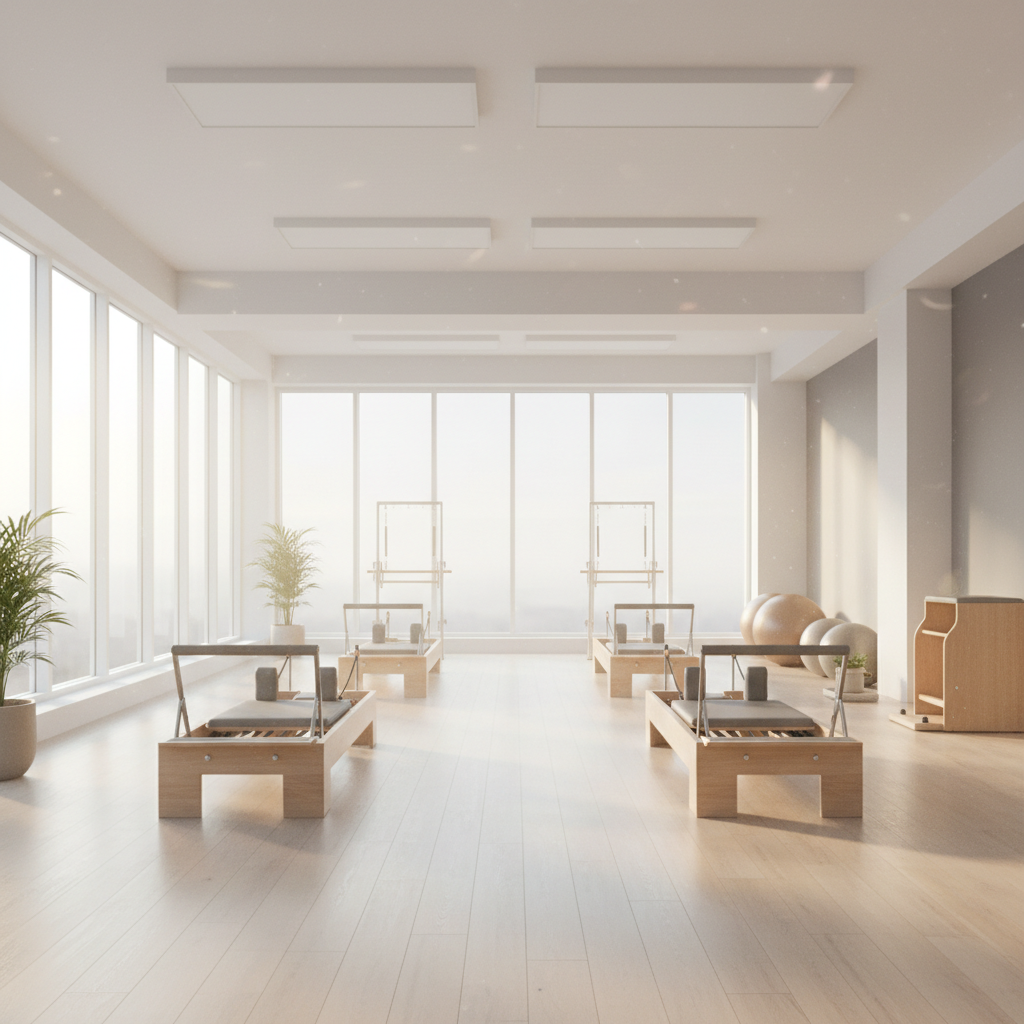
In the competitive wellness landscape of New York City, client perception is everything. From a med spa in Manhattan to a pilates studio in Brooklyn, clients notice the details. They value the ambiance, the instruction, and the results. But what about the air they breathe? For a growing number of people, a stray scent or a dusty corner can lead to sneezing, itchy eyes, or a full-blown allergic reaction. This is not just a comfort issue, it is a health and retention issue. Creating a low-allergen environment is no longer a luxury, it is a powerful statement that you prioritize the complete wellbeing of every person who walks through your door.
Understanding Allergens in Your Urban Studio
When we talk about allergens, most people picture seasonal pollen or a simple dust bunny. In a high-traffic commercial setting, especially in dense urban areas like Queens or Long Island, the reality is more complex. Your studio is a collection point for a wide range of microscopic irritants, tracked in daily by your clients and staff.
These include:
- Pollen and Mold Spores: These easily enter through doors, windows, and on clothing, especially during spring and fall.
- Dust Mites: These microscopic pests thrive in soft surfaces like upholstery, mats, and any neglected corners.
- Pet Dander: Clients and staff who are pet owners unknowingly carry dander on their clothes.
- Volatile Organic Compounds (VOCs): VOCs are gases off-gassed from many common products, including paints, new furniture, and, critically, many conventional cleaning supplies and air fresheners.
Managing these threats requires a multi-faceted approach that goes far beyond a simple surface wipe. It requires a strategic, professional cleaning protocol designed for health.
The Fragrance-Free Mandate
The strongest association people have with “clean” is often a scent, like lemon, pine, or lavender. This is a marketing fallacy. In reality, these fragrances are chemical cocktails that can be potent irritants for people with allergies, asthma, or chemical sensitivities. A space that is truly clean does not smell like anything. It just smells fresh.
Implementing a Studio-Wide Fragrance-Free Protocol
Adopting a fragrance-free policy is one of the most impactful changes you can make. This is a professional standard that signals a commitment to health.
- Audit Your Cleaning Cabinet: The first step is to eliminate all cleaning products containing artificial fragrances. Work with your commercial cleaning partner to ensure they use only unscented, EPA Safer Choice or Green Seal certified products. These are formulated for performance without adding irritating VOCs into your air.
- Eliminate Air Fresheners: Remove all plug-in fresheners, reed diffusers, and aerosol sprays. These products do not clean the air, they simply mask odors by releasing more chemicals. The solution to a stale smell is removing the source and improving ventilation, not covering it up.
- Consider a Staff Policy: Gently communicate the new policy to your team. Explain that strong perfumes, colognes, or scented lotions can linger in a room and affect sensitive clients. This helps create a truly neutral environment for everyone.
Surfaces as a Health Strategy
Every surface in your studio is a potential reservoir for allergens. Your choice of materials and, more importantly, how you clean them, plays a pivotal role in minimizing allergen load.
Flooring: The Foundation of Clean
Flooring is the largest surface area in your studio and your first line of defense. Whenever possible, opt for hard, non-porous flooring. Materials like sealed concrete, commercial-grade luxury vinyl tile (LVT), or rubber flooring are ideal. They are easy to clean, and allergens rest on the surface, where they can be completely removed, rather than getting trapped.
Carpet, on the other hand, is a significant allergen trap. It can hold dust mites, dander, and mold spores deep within its fibers. If you must have carpet in a lounge or office, choose a low-pile commercial grade option. Then, commit to a strict cleaning schedule that includes daily vacuuming with a CRI-certified vacuum equipped with a HEPA (High-Efficiency Particulate Air) filter and regular professional deep cleaning.
Upholstery, Equipment, and Linens
Soft surfaces like yoga bolsters, massage tables, and the upholstery on fitness equipment require special attention. Opt for items with non-porous, antimicrobial vinyl or leather-like coverings. These can be easily disinfected between client sessions.
Your cleaning technique matters. Using high-quality microfiber cloths is critical. Microfiber is designed to electrostatically trap dust and allergen particles. A simple cotton cloth, in contrast, often just pushes particles around. For linens and towels, wash them in hot water using a fragrance-free, hypoallergenic detergent to eliminate dust mites and other irritants.
Ventilation: Your Unseen Cleaning Partner
You can have the most rigorous surface cleaning protocol in all of NYC, but if the air itself is stagnant and full of particles, your efforts are compromised. Excellent ventilation is essential for removing airborne allergens.
Harnessing Your HVAC System
Your Heating, Ventilation, and Air Conditioning (HVAC) system is the lungs of your building. It constantly circulates air, but it can also circulate dust, mold, and other contaminants if not properly maintained. Regular, professional HVAC maintenance is not an optional expense, it is a core component of your health and safety protocol.
Ask your HVAC technician about filters. Upgrading to filters with a higher MERV (Minimum Efficiency Reporting Value) rating, such as a MERV 11 or MERV 13, can make a significant difference. These filters are capable of trapping smaller particles like pollen, mold spores, and even some bacteria from the air as it circulates.
Supplementing with Air Purification
For treatment rooms, private training areas, or any space where clients spend significant time, consider adding standalone air purifiers. Choose units with true HEPA filters, which are certified to capture 99.97% of airborne particles down to 0.3 microns in size. This provides an extra layer of protection, constantly cycling the air in a contained space and removing allergens that enter or are generated within it.
By shifting your focus from masking odors to truly eliminating allergen sources, you create a demonstrably healthier, more welcoming environment. A fragrance-free protocol, strategic surface management, and a robust air quality plan work together to build a hypoallergenic haven. In a discerning market, this commitment to client wellbeing becomes a powerful differentiator for your business.
Ready for a spotless space?
TidyMole keeps med spas, fitness studios, pilates studios, and day spas across Brooklyn, Manhattan, Queens, and Long Island client-ready every single day. Call or Text Us Today for a fast, no-obligation walkthrough, or request your Free Quote in under a minute.